Rethinking Rubbish: The Significance of E-Waste Recycling in Our Digital Era
E-waste has become a pressing issue in the age of electronics. Abandoned electronic devices pile up, often harboring toxic substances that pose risks to our ecosystem. The recycling of these electronics offers both obstacles and possibilities. Such efforts not only tackle environmental contamination but also promote the recovery of valuable materials. Grasping the intricacies of electronic waste recycling highlights its vital importance in building a sustainable tomorrow. What are the most effective strategies for individuals and businesses to engage in this crucial practice?
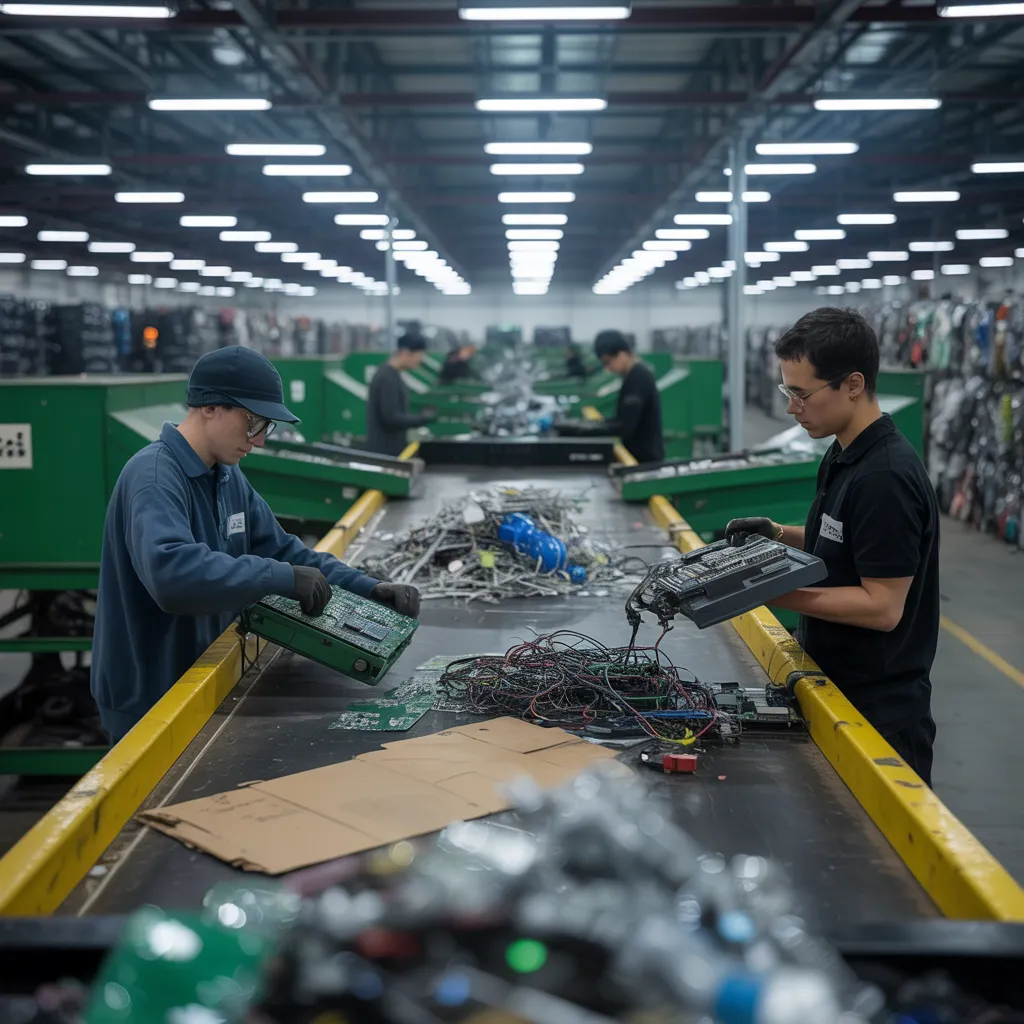
What Is E-Waste and Why Should You Care?
E-waste, or electronic waste, refers to disposed electrical or electronic equipment, such as computers, smartphones, and televisions. This classification of waste is increasing significantly, fueled by technological progress and growing consumer appetite for the latest devices. As individuals seek newer technological products, the quantity of electronic waste created yearly increases substantially, posing significant challenges for waste management systems.
The significance of addressing e-waste lies in the serious threats it presents to both health and the environment. Many electronic devices contain toxic substances, like lead, mercury, and cadmium, which can leach into soil and water if improperly disposed of. In addition, discarded electronics mean the depletion of invaluable materials, including precious metals and rare earth elements. The responsible management of e-waste is consequently critical for environmental preservation as well as material reclamation. Raising awareness about e-waste encourages responsible disposal and recycling practices, which can mitigate negative impacts on both the planet and human health.
How E-Waste Recycling Minimizes Environmental Impact
Electronic waste recycling serves a vital purpose in decreasing the quantity of harmful materials that accumulate in landfills, consequently preserving soil and water integrity. Additionally, it protects finite natural resources by retrieving metals and components for repurposing. This process also promotes sustainable practices, fostering a circular economy that serves both ecological and societal interests.
Minimizing Harmful Landfill Waste
A considerable amount of electronic waste generated globally ends up in landfills, where it presents major threats to the environment. Discarded electronics carry dangerous chemicals such as mercury, lead, and cadmium, which can seep into the soil and groundwater, degrading surrounding ecosystems and putting public health at risk. By responsibly recycling e-waste, these toxic materials can be responsibly handled and prevented from entering landfills. E-waste recycling facilities extract valuable components while making certain that dangerous substances are managed according to established environmental standards. This process not only limits environmental damage but also fosters environmentally conscious disposal methods among consumers. As the volume of e-waste grows, efficient recycling proves vital in decreasing the presence of toxic waste in landfills and protecting the environment from the dangers posed by abandoned electronic devices.
Protecting Natural Resources
Recycling e-waste is critically important in protecting our natural resources, as it allows for the recovery of precious materials that can be repurposed for the manufacturing of new devices. High-value metals such as gold, silver, and copper, often found in e-waste, can be recovered and reused, diminishing the dependence on mining. This not only lessens the environmental impact linked to the extraction of these materials but also helps to preserve ecosystems. Additionally, e-waste recycling decreases the demand for raw materials, which are frequently scarce and vulnerable to geopolitical tensions. By leveraging recovered materials, electronic waste recycling promotes a more sustainable approach to resource management, ensuring that future generations have access to the raw materials required for technological advancement.
Championing Sustainable Practices
Reducing environmental harm depends on the proper recycling of e-waste, which considerably minimizes pollution and saves energy. Electronic waste recycling reclaims useful materials, such as various metals and plastics, lessening the need for raw material extraction and minimizing ecological disruption. By redirecting electronic products away from landfills, the harmful substances present in these devices—such as mercury and lead—are prevented from polluting soil and water supplies. Moreover, recycling efforts promote a circular economy, inspiring eco-friendly habits among both consumers and manufacturers. Community education initiatives are essential in encouraging proper disposal, enabling people to engage more readily in electronic waste recycling. Ultimately, this collective effort aids in reducing the carbon footprint and supports a healthier planet for future generations.
How E-Waste Recycling Preserves Natural Resources
E-waste recycling plays an essential role in resource conservation by extracting precious metals that can be repurposed in new manufacturing. This procedure significantly diminishes the need for virgin raw materials, consequently minimizing the environmental strain associated with mining and extraction. In the end, responsible e-waste recycling supports a more environmentally conscious resource management framework.
Retrieving Precious Metals
With the advancement of technology, the buildup of electronic waste has become a significant issue, highlighting the importance of extracting precious metals from obsolete electronics. E-waste is rich in valuable materials such as gold, silver, and palladium, which are indispensable in various industries. Traditional mining for these metals is highly demanding on resources and harmful to the environment. In contrast, recycling e-waste provides a sustainable alternative, facilitating the extraction of these precious metals with a significantly reduced environmental footprint. By recovering these materials, e-waste recycling not only preserves limited natural resources but also reduces the need for new mining operations. This process supports a circular economy, fostering the responsible use of materials and nurturing a more sustainable approach to technology consumption and waste management.
Decreasing Raw Material Requirements
A notable decrease in raw material demand can be accomplished through effective e-waste recycling. By reclaiming essential components such as metals, plastics, and glass from discarded electronic devices, e-waste recycling reduces the need for mining and processing virgin resources. This not only protects natural habitats but also decreases energy consumption associated with raw material extraction. For instance, recycling one million cell phones can reclaim 24 kilograms of gold, markedly decreasing the demand for new gold mining. Additionally, as electronic devices continue to increase, the necessity of recycling becomes progressively vital. Ultimately, a robust e-waste recycling program can help build a circular economy, ensuring that resources are utilized responsibly and effectively, thereby minimizing the environmental impact of resource depletion.
How E-Waste Recycling Helps Reduce Pollution
When electronic equipment is discarded incorrectly, harmful pollutants can leach into the environment, posing significant risks to both human health and ecosystems. E-waste recycling mitigates these dangers by ensuring that hazardous materials, like lead, mercury, and cadmium, are processed responsibly. Through the recycling of electronic waste, these dangerous materials are isolated and handled, reducing their likelihood of contaminating soil and water sources.
Furthermore, the recycling of electronics reduces the necessity for the incineration of electronics, which can expel harmful emissions into the air. The process also conserves natural reserves by reclaiming precious metals and parts, thereby minimizing the requirement for resource mining and refinement that regularly cause environmental degradation.
How Can People Actively Engage in E-Waste Recycling?
Community members serve a vital function in the e-waste recycling process, contributing to the protection of the environment and conservation of resources. To take part meaningfully, they can begin by locating and separating discarded electronic devices, such as outdated phones, computers, and batteries, from everyday waste. Various municipal authorities and community groups provide dedicated drop-off sites or organized collection drives designed for e-waste disposal, enabling individuals to recycle in a responsible manner.
In addition, people can learn about suitable disposal approaches and the environmental concerns related to improper e-waste disposal. Taking part in community initiatives or advocacy networks can further raise awareness and advance better recycling behaviors. Furthermore, people may want to give functional gadgets to nonprofits or schools, prolonging their useful life and minimizing waste. Through making thoughtful choices and taking decisive action, individuals can greatly impact e-waste reduction and promote a sustainable future.
Efficient E-Waste Recycling Approaches for Businesses
Training staff on proper discarding practices promotes a environment of sustainability throughout the organization. In addition, businesses can design return initiatives, motivating customers to bring back outdated electronics, thereby supporting a sustainable economy.
Adopting energy-saving solutions can further decrease future e-waste generation. By implementing these methods, companies not only comply with compliance standards but also emerge as leaders in sustainability. At its core, efficient electronic waste recycling can lead to reduced operational expenses and improved brand reputation, connecting organizational practices to the values of modern consumers.
Upcoming Trends in E-Waste Management and Recycling
As technology continues to evolve rapidly, the future of e-waste management and recycling is becoming more centered on innovation and sustainability. A notable trend involves the development of cutting-edge recycling technologies designed to improve the extraction of valuable materials from electronic waste. Approaches like hydrometallurgy and bioleaching are growing in prominence, facilitating the more efficient retrieval of metals including gold and copper.
In addition, organizations are implementing sustainable circular economy frameworks, which emphasize designing products for lasting use and ease of repair. This shift minimizes electronic waste and prompts manufacturers to accept stewardship of their products when they reach end-of-life status.
Furthermore, increased coordination between industries, governments, and consumers is projected to improve regulatory frameworks and streamline recycling processes. Public education efforts will also play a significant role in advancing responsible disposal behaviors. Combined, these advancements aim to establish a more sustainable future, confronting the increasing challenges associated with electronic waste.
Frequently Asked Questions
What Types of Devices Are Considered E-Waste?
E-waste includes unwanted electronic devices including gaming consoles, tablets, smartphones, computers, printers, and televisions. Additionally, common appliances including microwaves and refrigerators are also considered e-waste, creating environmental hazards if not recycled correctly.
How Is Electronic Waste Recycling Regulated?
E-waste recycling is regulated through various laws and standards that mandate proper disposal, support producer responsibility, and foster sustainable environmental practices. Following these standards confirms dangerous components are processed safely, minimizing environmental impact and preserving the health of the public.
What Are the Hazards of Improper E-Waste Disposal?
Irresponsible e-waste disposal presents serious dangers, such as environmental pollution caused by toxic substances, health hazards to communities, and the depletion of recoverable materials. Such outcomes highlight the critical importance of responsible recycling initiatives and regulatory frameworks.
Are There Ways to Donate or Reuse E-Waste?
Yes, electronic waste is suitable for donation or reuse. A wide range of organizations welcome functional electronic items, sharing them with communities that require assistance. This method not only increases the longevity of electronics but also reduces environmental impact through responsible disposal.
Which Certifications Should E-Waste Recyclers Possess?
Electronic waste recyclers are required to hold certifications including R2 (Responsible Recycling), e-Stewards, and ISO 14001. These certifications guarantee adherence to environmental standards, facilitating safe handling, processing, and disposal of View more electronic waste for sustainable practices.